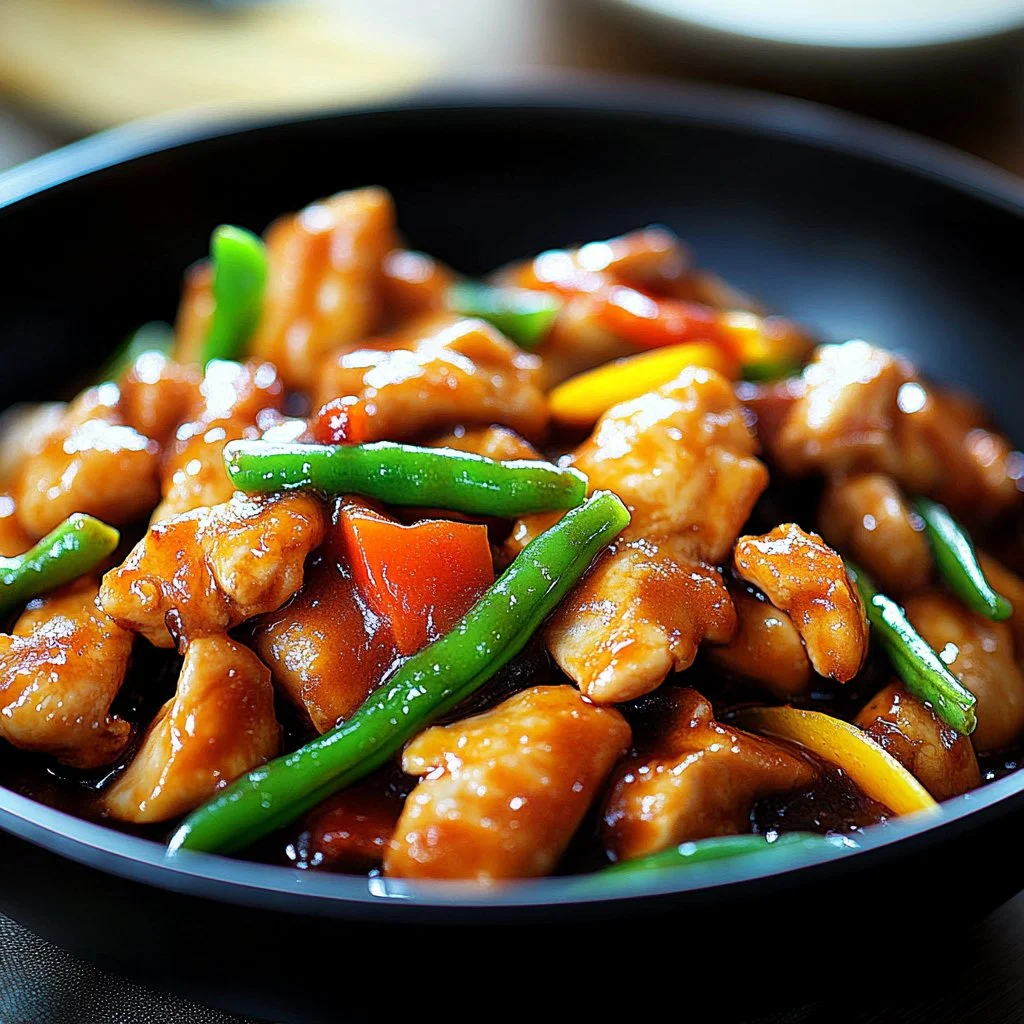
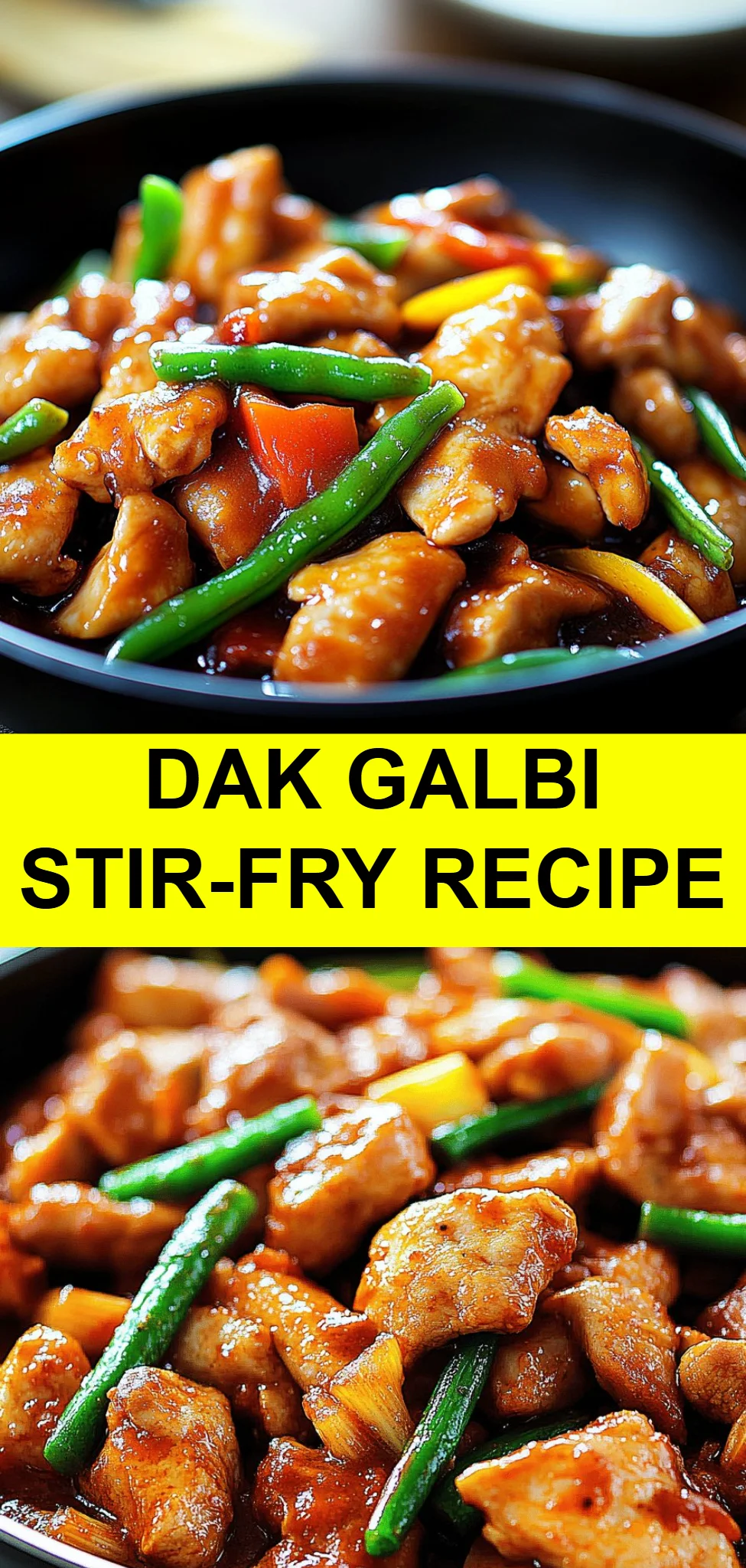
Dak Galbi Recipe is a vibrant, hearty dish that brings the warmth of Korean cuisine straight to your table. Combining juicy chicken thighs, crispy vegetables, and soft rice cakes, this dish delights the senses with its comforting aroma and rich flavors. It’s perfect for a family gathering or a cozy night in, offering both an easy cooking experience and a delightful meal that everyone can enjoy. In this article, we will guide you through this recipe step-by-step, ensuring that you master the art of making Dak Galbi at home.
Ingredients
To create this wonderful Dak Galbi, you will need the following ingredients:
- 1.5 pounds boneless chicken thighs, cut into bite-sized pieces: These tender, juicy pieces of chicken serve as the hearty base for this dish, infusing every bite with rich flavor.
- 1 cup cabbage, chopped: Adding a delightful crunch and a hint of sweetness, the cabbage complements the other flavors beautifully.
- 0.5 cup carrots, sliced: Their natural sweetness and vibrant color enliven the dish, providing a visually appealing and nutritious addition.
- 1 cup rice cakes (Korean rice cakes): Chewy and satisfying, these rice cakes soak up the savory sauce and add a wonderful texture contrast.
Step-by-Step Directions Preparation Steps
Marinate the Chicken: Start by marinating the chicken thighs in a mixture of your favorite Korean spices, soy sauce, and a bit of gochujang (Korean chili paste) for about 30 minutes. This will allow the flavors to deepen and enhance the overall taste of your dish.
Prepare the Vegetables: While the chicken is marinating, chop the cabbage and slice the carrots. This will ensure that everything cooks evenly and allows the vegetables to retain their crunch.
Sauté the Chicken: In a large skillet or wok, heat some oil over medium heat. Once hot, add the marinated chicken pieces. Sauté them for about 5-7 minutes, until they start to brown and become slightly crispy.
Add the Vegetables: Next, incorporate the chopped cabbage and sliced carrots into the skillet. Stir everything together so the veggies are coated in the flavorful chicken juices, cooking for an additional 3-4 minutes.
Include the Rice Cakes: Now it’s time to add the Korean rice cakes. Stirring constantly, cook the mixture until the rice cakes are soft and heated through, about 5-6 minutes. If the mixture appears too dry, add a splash of water or chicken broth to help with cooking.
Enjoy the Final Dish: Once the chicken is thoroughly cooked and the veggies are tender, remove the skillet from the heat. Serve your delicious Dak Galbi warm, garnished with sesame seeds or sliced scallions for an extra touch.
Tips & Tricks
To elevate your Dak Galbi, consider adding some garlic and ginger for an aromatic foundation or toss in other vegetables like sweet bell peppers or zucchini for added color and flavor. If you prefer a spicier kick, increase the amount of gochujang or add fresh chili peppers during cooking.
Serving Suggestions & Pairings
Dak Galbi is typically served hot right from the pan, making it perfect for communal dining. Pair it with steamed rice or lettuce leaves for a fresh wrap experience. A side of kimchi or pickled vegetables can add a delightful tang, balancing the richness of the dish.
Nutritional Information
Each serving of Dak Galbi contains approximately 420 calories, with a balanced distribution of proteins, carbohydrates, and a moderate amount of healthy fats. Chicken provides a great source of protein, while the vegetables add fiber and essential vitamins.
Storing Tips & Variations
To store leftover Dak Galbi, cool it completely and transfer it into an airtight container. It can be kept in the refrigerator for up to three days or frozen for up to a month. When reheating, use a skillet over low heat to maintain the texture of the chicken and vegetables. For variations, consider substituting chicken with tofu or beef, or customizing your vegetable mix based on seasonal availability.
Conclusion
We encourage you to try this hearty Dak Galbi recipe and discover how delightful and easy it can be to make a comforting Korean dish at home. Don’t forget to share your cooking experience and any tweaks you made to the recipe!
FAQs
Can I use other meats besides chicken?
Yes, you can use other proteins such as beef or pork. Just be mindful that cooking times may vary.Is Dak Galbi spicy?
The level of spice can be adjusted by controlling the amount of gochujang or adding fresh chili peppers. It can be made milder if necessary.Can I make this dish vegetarian?
Absolutely! You can replace chicken with tofu and use vegetable broth instead of chicken broth for a vegetarian version.How can I make the rice cakes?
Store-bought Korean rice cakes are widely available, but if you want to make them from scratch, they typically require glutinous rice flour and water.Can I make Dak Galbi ahead of time?
Yes, you can prepare the marinated chicken and chop the vegetables ahead of time. Just store them separately and combine them when you’re ready to cook.

Dak Galbi
Ingredients
Main Ingredients
- 1.5 pounds boneless chicken thighs, cut into bite-sized pieces These tender, juicy pieces serve as the hearty base for the dish.
- 1 cup cabbage, chopped Adds crunch and a hint of sweetness.
- 0.5 cup carrots, sliced Natural sweetness and vibrant color.
- 1 cup Korean rice cakes Chewy and satisfying, absorbs savory sauce.
Instructions
Preparation
- Marinate the chicken thighs in Korean spices, soy sauce, and gochujang for about 30 minutes.
- While the chicken is marinating, chop the cabbage and slice the carrots.
Cooking
- In a large skillet or wok, heat some oil over medium heat. Once hot, add the marinated chicken pieces. Sauté them for about 5-7 minutes until browned and slightly crispy.
- Incorporate the chopped cabbage and sliced carrots into the skillet. Stir and cook for 3-4 minutes.
- Add the Korean rice cakes. Stir constantly until soft and heated through, about 5-6 minutes. Add water or broth if the mixture is too dry.
Serving
- Remove from heat once the chicken is thoroughly cooked and the veggies are tender. Serve warm, garnished with sesame seeds or sliced scallions.